Understanding the Basics of EV Charging
EV charging is a fundamental aspect of owning and operating an electric vehicle. It allows drivers to replenish the energy stored in their vehicle’s battery, ensuring they have sufficient power for their daily commute or long-distance trips. The charging process involves connecting the vehicle to a power source, typically a charging station or a home-based charger. This connection allows electricity to flow into the vehicle’s battery, gradually filling it up and extending the vehicle’s range. By understanding the basics of EV charging, drivers can make informed decisions about the type of charger they need and develop efficient charging habits, optimizing their electric vehicle experience.
One of the key benefits of EV charging is its environmental friendliness. Electric vehicles produce zero tailpipe emissions, meaning they do not release any harmful pollutants into the air during operation. Charging an electric vehicle using renewable energy sources, such as solar or wind power, further reduces its environmental impact. This aspect is particularly important as the world continues to grapple with the effects of climate change and air pollution. By embracing electric cars and adopting clean charging practices, individuals can contribute to reducing greenhouse gas emissions and creating a more sustainable future. In addition to environmental benefits, EV charging also offers economic advantages, such as lower fuel costs compared to traditional internal combustion engine vehicles.
The Environmental Benefits of Electric Vehicles
There are a multitude of benefits associated with electric vehicles (EVs), making them a popular choice for eco-conscious consumers. First and foremost, EVs significantly reduce greenhouse gas emissions, as they produce zero tailpipe emissions. This has a direct positive impact on air quality, particularly in heavily populated urban areas where pollution can often reach dangerous levels. Moreover, EVs help to combat climate change by decreasing the overall carbon footprint, as they can be powered by renewable energy sources such as solar or wind power.
Additionally, electric vehicles have great potential to decrease dependence on fossil fuels and enhance energy security. With the increasing availability of clean energy sources, the shift towards electric transportation contributes to a more sustainable future. Besides reducing air and noise pollution, the use of EVs also mitigates the environmental damage caused by extracting and transporting fossil fuels. Furthermore, electric vehicles generate significant energy savings, both for individuals and society as a whole, due to their higher energy efficiency compared to traditional internal combustion engine vehicles.
Conclusion
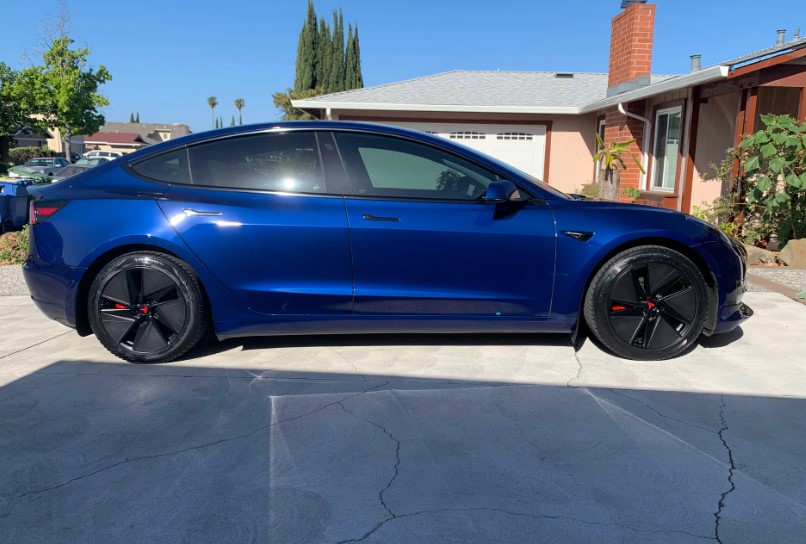
In summary, EV01 wheels offer a sleek and modern style, and Wheel Dealer Canada is your go-to source for this stylish upgrade to enhance your vehicle’s appearance and performance.